
Anime piracy is a huge problem for the anime industry, with hundreds of Illegal anime streaming sites popping up every day. Just like the Hydra, if one site is taken down, more pop up in its place.
Just like Hercules, the Japanese anime industry has a huge task on its hands when it comes to protecting its copyright. Japan has strong copyright laws that massively favour IP owners compared to the West, where fair use allows people to create derivative works or comment on existing media. That’s why your favourite YouTubers often have to toe the line with Japanese companies, as they make heavy use of YouTube copyright strikes.
What I’m getting at is that the Japanese don’t play around when it comes to pirates even pirates sitting at the top of the manga charts.
So why are they losing so many views and so much money to pirates and illegal anime streaming sites?
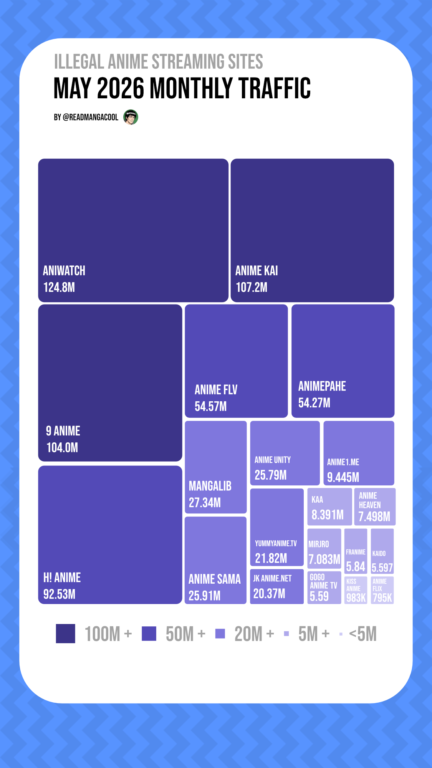
Where did we collect the data for from the Illegal anime streaming sites?
Similarweb is a website that allows you to see the analytics of most websites on the web. However, we used a free account, which is limited in what you can do and collect. They do, however, let you see how many visitors each site gets. The data was collected manually, then arranged and put into this infographic of illegal anime streaming sites.
How many visits do illegal anime streaming sites get?
Illegal anime streaming sites receive hundreds of millions of visits every single month, making them some of the most highly trafficked websites on the internet.
The largest unauthorized anime streaming domains frequently log between 250 million and 360 million visits per month.
This illicit viewership is so high that the top global piracy platforms regularly attract more monthly web traffic than official providers such as Crunchyroll or even Disney+.
As you can see in the infographic, there is a large spectrum of traffic between sites, ranging from the most well known platforms to smaller, hidden sites that only dedicated users know about. However, one thing can be assured: there will always be another site waiting to take its place.
How much money is lost to anime piracy through illegal anime streaming sites?
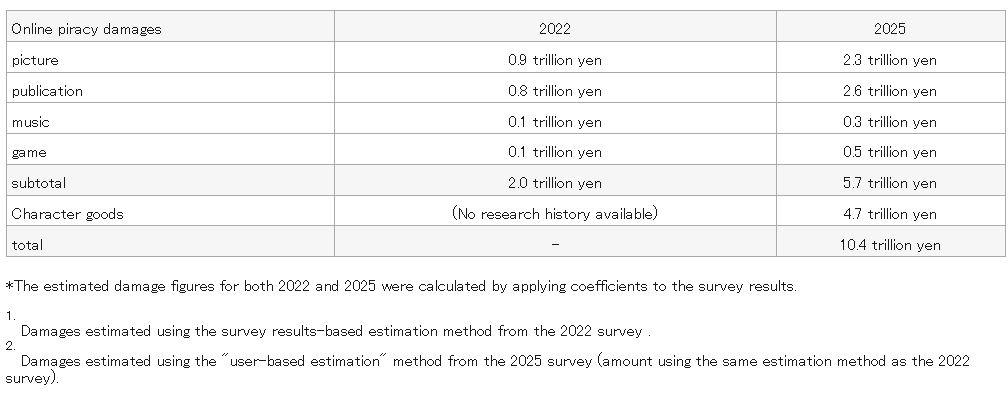
So how much does piracy cost the anime and manga industry?
An article from Yahoo Finance estimated that piracy causes losses of around $38 billion, or 6.57 trillion yen. Now that’s a lot of money, and here’s the kicker: that was for 2025 alone.
Back in 2022, the cost of piracy was “only” $13 billion. I can’t believe I’m saying only, but that’s a 192.31% increase in just four years.
That’s a massive jump, and if you look at it in a positive light, it shows that the popularity of manga and anime has increased tenfold.
However, that’s still a huge amount of money being taken away from the rightful owners of these IPs and from the people whose hard work helped create them.
Now, who recorded these numbers, you may ask?
The figures come from Japan’s Ministry of Economy, Trade and Industry (METI). While METI is heavily focused on navigating global supply chain pressures, economic security, and supporting Japan’s domestic high-tech industries, it also produces reports on the economic impact of piracy.
So this isn’t just a random estimate pulled from the internet. The report comes from a serious government department.
What does Japan do to fight illegal anime streams?
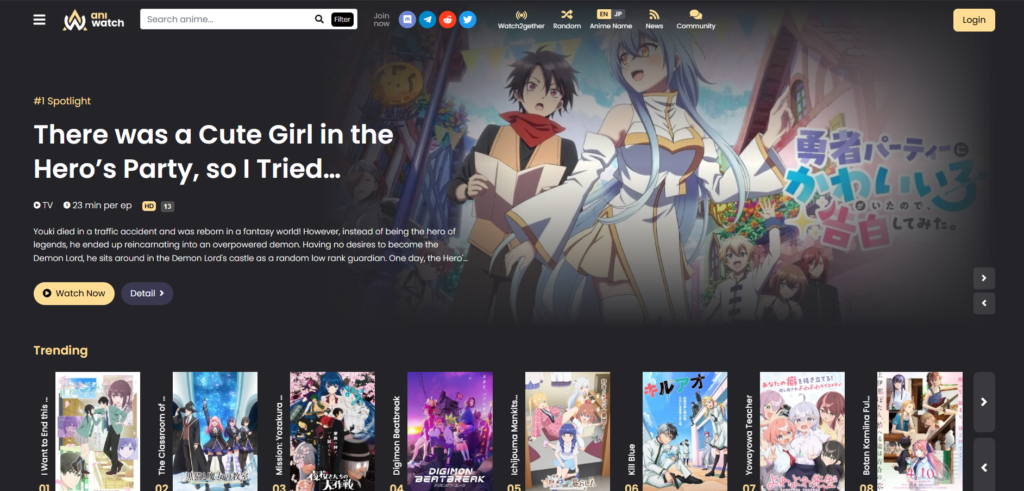
Japan has multiple options when it comes to fighting piracy. Sometimes it succeeds, and sometimes the site is back up a day later.
Japan has some of the strictest copyright laws in the world, and fair use isn’t really a thing there. That’s why a lot of your favourite YouTubers are always getting copyright strikes or using alternative methods to show their love of anime.
There are steep fines and jail sentences for uploaders, and authorities work with ISPs (Internet Service Providers) to block access to piracy websites.
Japan also created the Content Overseas Distribution Association (CODA), an organisation dedicated to the international distribution and protection of Japanese content. It includes 57 member organisations, including Bandai, Square Enix, Toei, Studio Ghibli, and many other well-known companies.
CODA works alongside international authorities to track down site operators, issue legal requests, and pursue major pirate networks for millions of dollars in damages.
They have also set up educational programs to teach the general public about the damage caused by piracy, but as you probably know, that doesn’t always work. The famous “You wouldn’t download a car” campaign arguably did the opposite and ended up educating people about the possibility of downloading content.
However, what is working is the increase in licensed streaming distribution, making it easier than ever for fans to access anime legally. Now it’s up to the streaming services to keep prices affordable and provide enough value to make legal viewing worthwhile.
Now on to everyone’s favourite two letters: AI.
Japan is exploring AI technology as a new weapon in the fight against anime and manga piracy. Japan’s Agency for Cultural Affairs plans to spend 300 million yen (around $2 million USD) on training AI systems to identify piracy websites.
The AI will be trained to recognise piracy sites by analysing their layouts, advertisements, and content patterns. It will also use image recognition technology to detect the unauthorised use of manga and anime materials provided by publishers. Once identified, the system can flag websites and notify rights holders, allowing them to file takedown requests more quickly and efficiently.
Cases of people getting caught for piracy involving illegal anime streaming sites
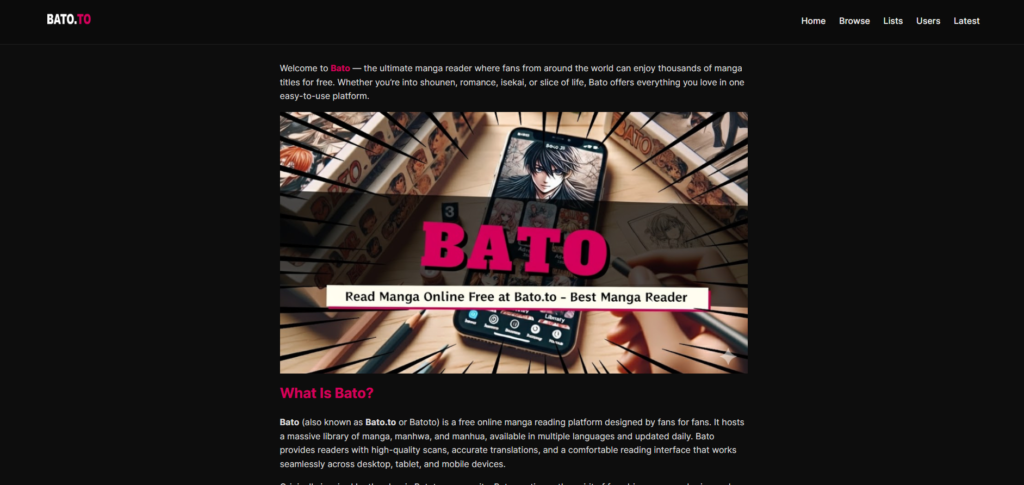
Just recently, on November 19, 2025, the suspected owner of one of the largest manga piracy networks was raided by Chinese police in the Guangxi Zhuang Autonomous Region.
His admission to the police reportedly included running the operations of several piracy sites, including BATO.TO and approximately 60 related sites such as xbato.com, bato.to, and mangapark.io. The case is currently making its way through the courts.
Another major case involved the notorious piracy site Mangamura. The owner was ordered to pay 1.7 billion yen (approximately $11.4 million USD) in damages to three major publishing houses: Shogakukan, Kadokawa, and Shueisha.
The owner of the site, Romi Hoshino, was actually arrested in the Philippines before being extradited to Japan. At its peak, Mangamura hosted over 50,000 manga titles and allegedly caused damages estimated at around $2.93 billion to the publishing industry.
These are just some of the larger cases out there, but they raise an important question: if these Illegal anime streaming sites are illegal, how do they make money?
How do Illegal anime streaming sites make money?
If you’re on this site, then you’ve probably been on the other sites we’ve mentioned, and you’ve definitely noticed all the ads everywhere, all at once.
Well, these sites usually sign up to ad networks that display ads on their pages, and they make money for each ad shown and clicked. However, this can be dodgy, as these ad networks are often not the most ethical companies themselves.

Some sites may also offer subscription services, allowing you to sign up with a card or account, but I’m not sure how safe it would be to give your card details to an illegal site on the internet.
Now, say you do sign up with your details but for a free account. Well, they most likely sell all your data to whoever will buy it, or implant website trackers on your PC so they can see every video you watch and every website you visit — and yes, they sell that too.
Be careful out there and make sure to keep yourself protected.
How do these websites get away with posting illegal anime?
Illegal anime streaming sites evade takedowns using a “whack-a-mole” strategy of hiding their identities, locations, and data. They achieve this by hosting servers in countries with loose copyright enforcement, continuously shifting their domains, and linking to external video storage rather than hosting the video files themselves.
These sites manage to operate and rebuild so quickly through several key tactics:
Legal loopholes: Most of these sites do not actually host anime files on their own servers. Instead, they act more like search engines or embedding platforms that pull videos from third-party file-sharing services.
Overseas hosting: Site operators often place their servers in countries with weaker copyright enforcement, or in regions where authorities are less likely to respond to international takedown requests.
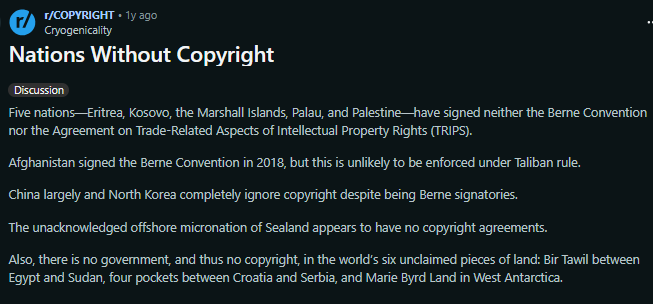
Domain hopping: When a site gets blocked or seized, the owners quickly switch domains (for example, moving from .com to .to) and relaunch using backup versions of the site.
Anonymity: Website operators hide their real identities using fake registrations, offshore services, and domain privacy protections, making them difficult to track down.
I’m not going to judge you for viewing illegal anime streaming sites
Thanks for reading.
A lot of you probably won’t care and will go on with your day, watching anime wherever you choose, and fair enough. This was just a fun little blog to help you understand just how massive illegal anime streaming has become and the impact it has on the industry.
Whether you watch anime through official services or piracy sites is ultimately your choice. My goal here wasn’t to tell you what to do, but to show you the scale of the problem and the lengths that Japan and copyright holders go to in order to fight it.
However, if you want to see just how much money copyright holders can make when a series becomes a success, check out the Demon Slayer box office numbers. The figures are absolutely staggering and show just how valuable anime has become as a global industry.
Thanks again for reading, and I’ll see you in the next one.










Leave a Comment